The Love That Remains
In memory of the late Metropolitan Amphilochios
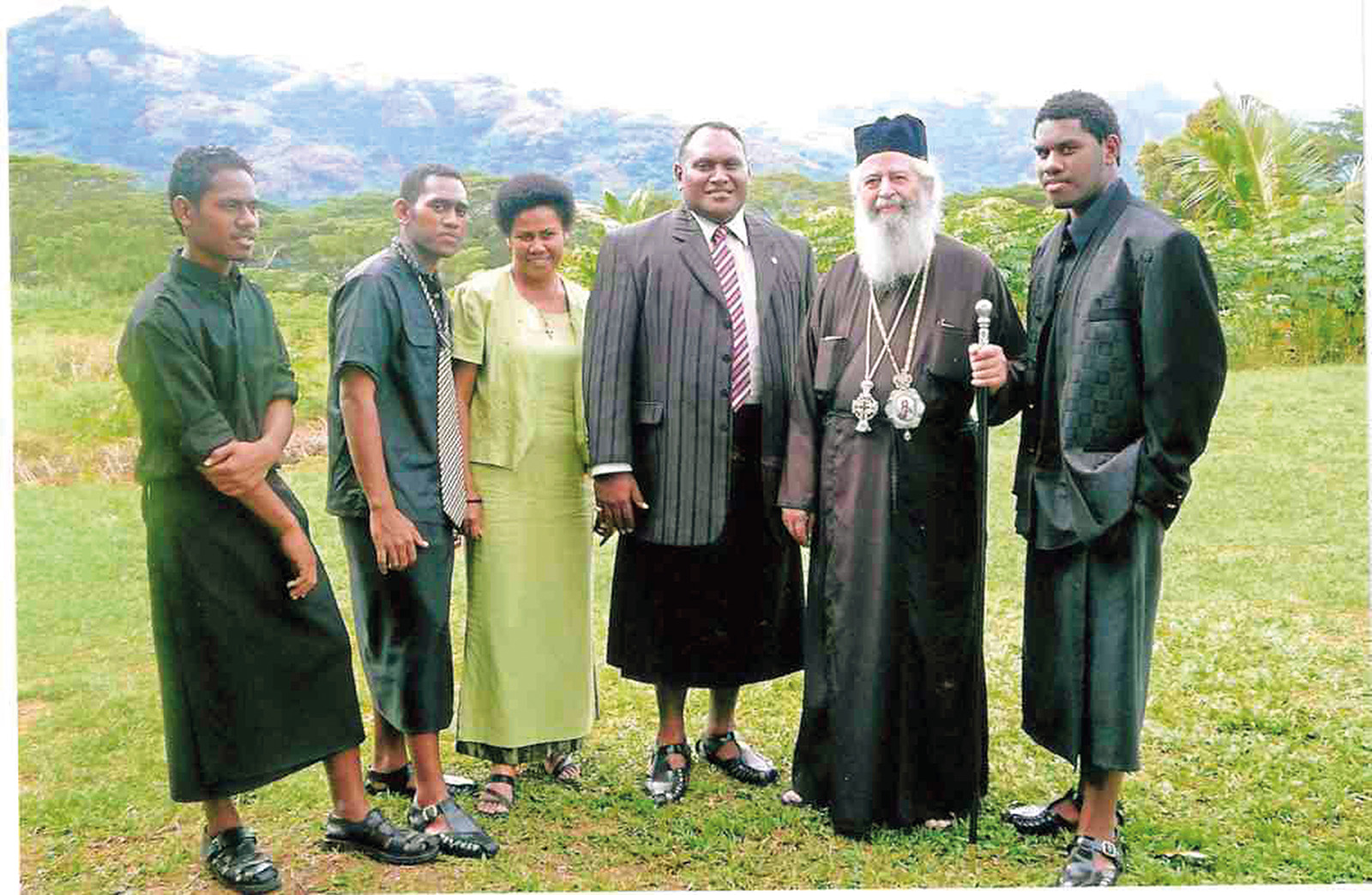
One afternoon on the Pacific island of Samoa, we had gathered around our Elder, who was then our Metropolitan and approaching his eightieth year, hoping to hear a word of encouragement from his lips. We were exhausted by the tropical heat, as well as by administrative difficulties and the slow progress of the Mission. He sat in the shade near the sea, his hands resting on a wooden staff.
We were counting with him the churches and chapels whose construction he had spearheaded—there were already more than thirty—and, as we waited for some profound theological reflection, he looked at us with an affectionate smile and said:
“I will tell you a charming story.
Once there was a master builder who spent his entire life traveling from village to village, building churches and chapels, and finding immense joy and meaning in his work. After many years, the time came for him to die and, because of his many faults, he found himself in hell. But instead of despairing or lamenting his fate, the old master builder looked around at the desolate and wretched place and immediately set to work. He began laying stones, carving wood, and building a church in the very midst of Hades. When the demons asked him what he was doing, he cheerfully replied that such a miserable place certainly needed a proper church, complete with a bell tower! The devil and his demons were furious, for the master builder was turning their domain into a monastery and, worse still, encouraging other lost souls to help him and begin to hope. In the end, the devil grew so exasperated by the old man’s tireless and cheerful determination to build churches that he personally escorted him to the gates of Paradise, just to be rid of him!”
The Elder laughed and, with his characteristic simplicity, added:
“Well, I hope I can get out of hell in the same way. I have loved building churches since I was a little boy.”
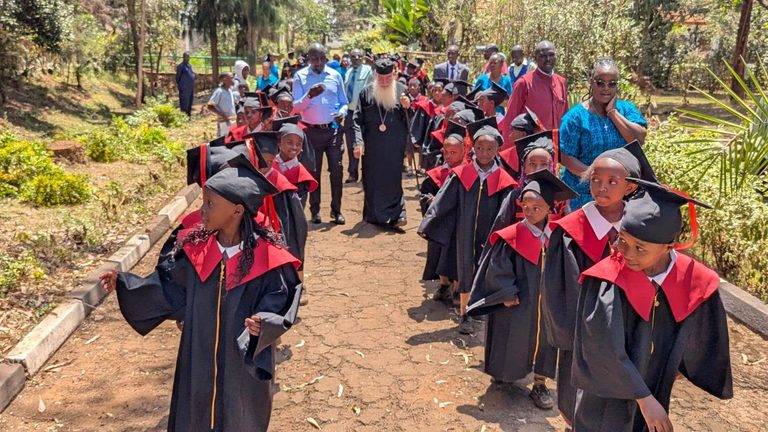
And indeed, since those childhood years he had crossed many seas. From the Dodecanese to Africa and India, then to the distant islands of the Pacific and from there to Eastern Thrace, before returning once more to his beloved Dodecanese, wherever he went there was always another church waiting to be built, another monastery to be founded, another community longing to take shape, and people whose names would soon become dear to his heart and for whose salvation he would labor tirelessly.
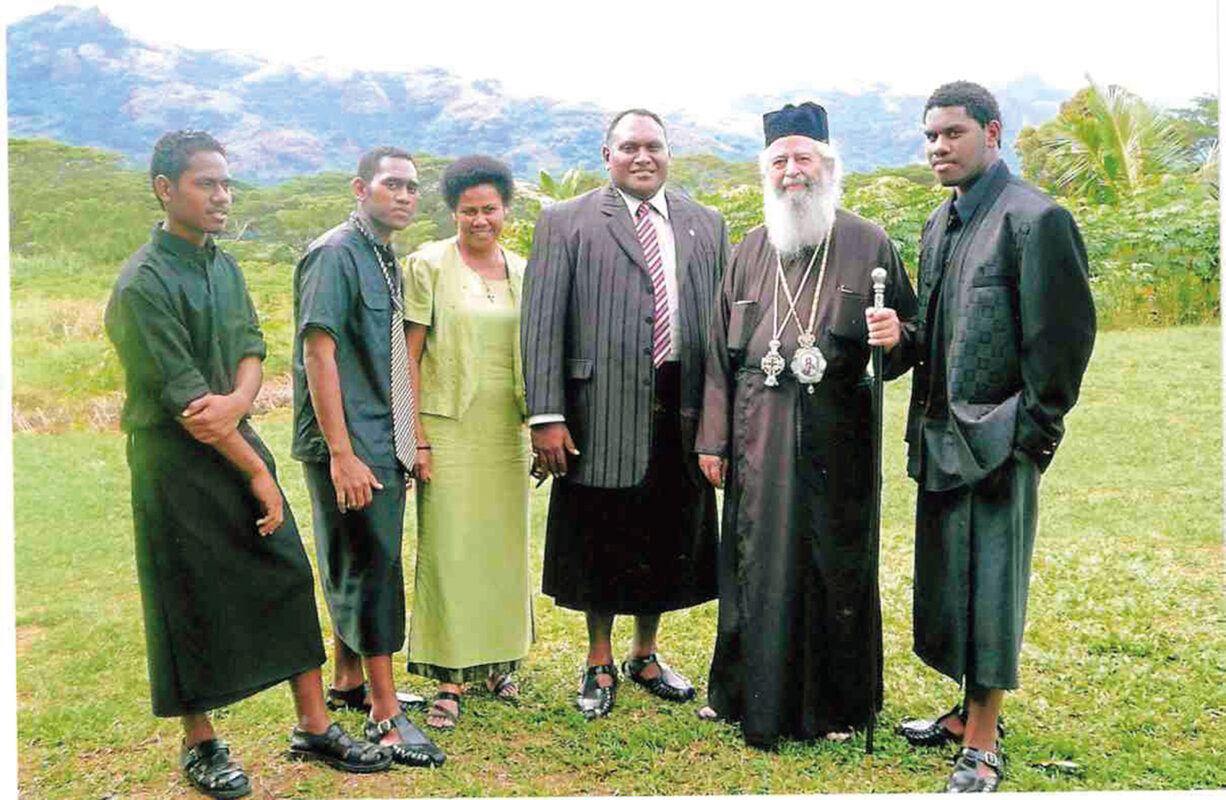
In the years that followed, his physical strength began to leave him, and every journey required ever greater effort. Yet he continued to bring the good news of the Gospel to the poor, to build chapels, to celebrate the Divine Liturgy, and to sit beside people in their sorrow. When we remember his slow and increasingly difficult steps, the words of the Apostle come to mind: “How beautiful are the feet of those who preach the gospel of peace” (Rom. 10:15). His feet had grown weary, but his heart remained remarkably youthful, rejoicing at every new opportunity to bring the Gospel to yet another place.
A year has now passed since the repose of our beloved Elder, our father and founder of the Orthodox Mission in the Pacific.
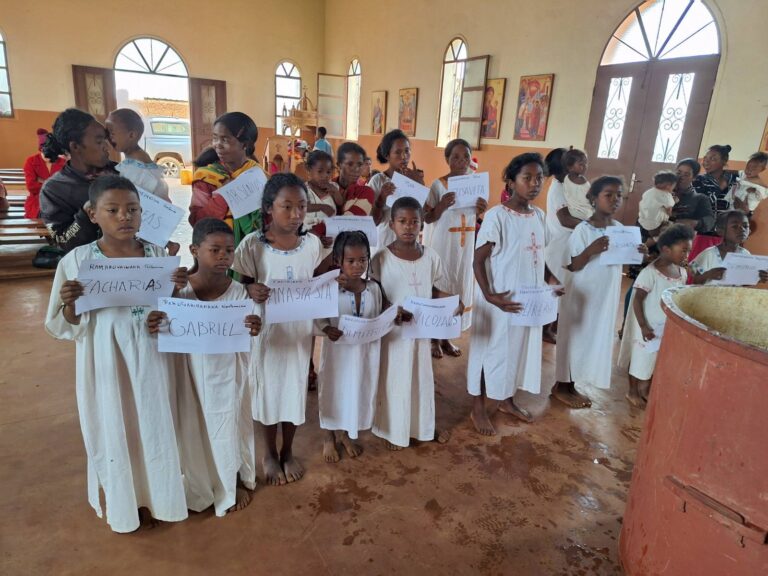
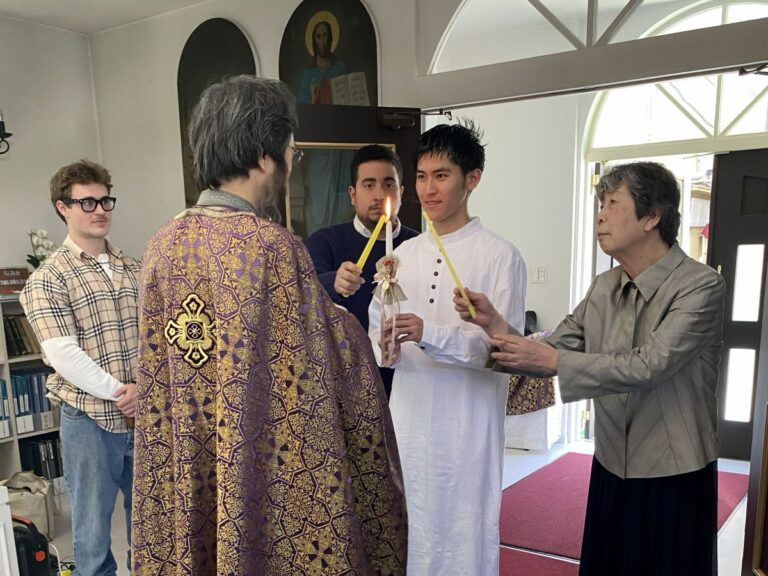
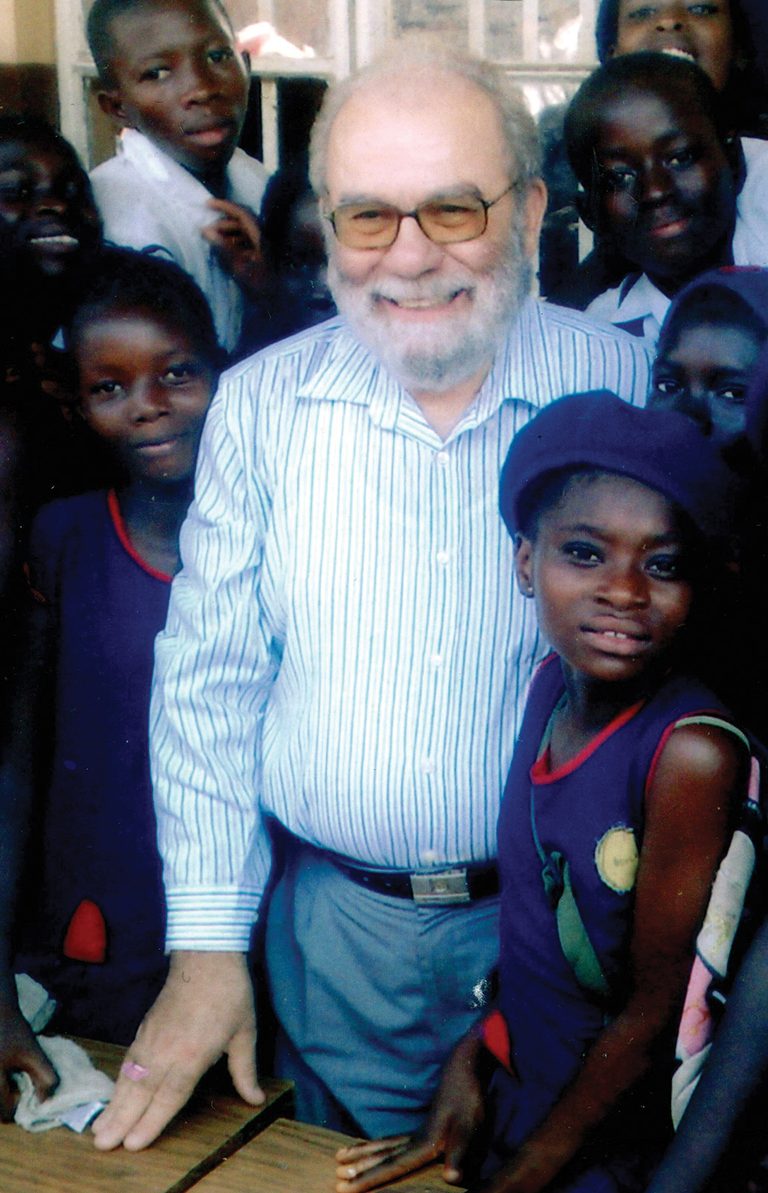
His passing left a void that cannot be measured by his great achievements alone. His vision, self-sacrificing love, and indomitable missionary spirit laid the foundations of Orthodoxy in Fiji, Tonga, and Samoa. For those of us who were blessed to know him personally, however, what we miss most is his loving presence: his familiar voice, his prayers, his guidance, and, above all, the warmth of a heart that always seemed to have room for one more person, especially those whom others found difficult to love.
Writing to the Corinthians, the Apostle Paul says that even the greatest spiritual gifts, the most extraordinary sacrifices, and the most remarkable works are of no value if we have no love. He then composes a passage like a hymn, describing love that “suffers long and is kind,” that “bears all things, believes all things, hopes all things, endures all things” (1 Cor. 13). For those of us who knew our Elder, these words are inseparable from his memory, for we were blessed to witness in him a holiness that had matured through a lifetime of communion with Christ, whose love had taken such deep root in his heart that it flowed almost spontaneously toward everyone he met.
During his long ministry he had encountered every kind of human character. He had experienced gratitude and ingratitude, affection and rejection, devotion and betrayal. Yet he possessed the rare ability to continue loving even those who had disappointed or hurt him. He could welcome difficult people with kindness, forgive those who had caused him sorrow, and show tenderness even to those whom others had long since ceased trying to understand. His love did not depend on finding something pleasing or worthy of love in another person. Having himself tasted Christ’s mercy, he was always ready to offer that same mercy to others.
And perhaps therein lay the deepest meaning of his tireless missionary zeal.
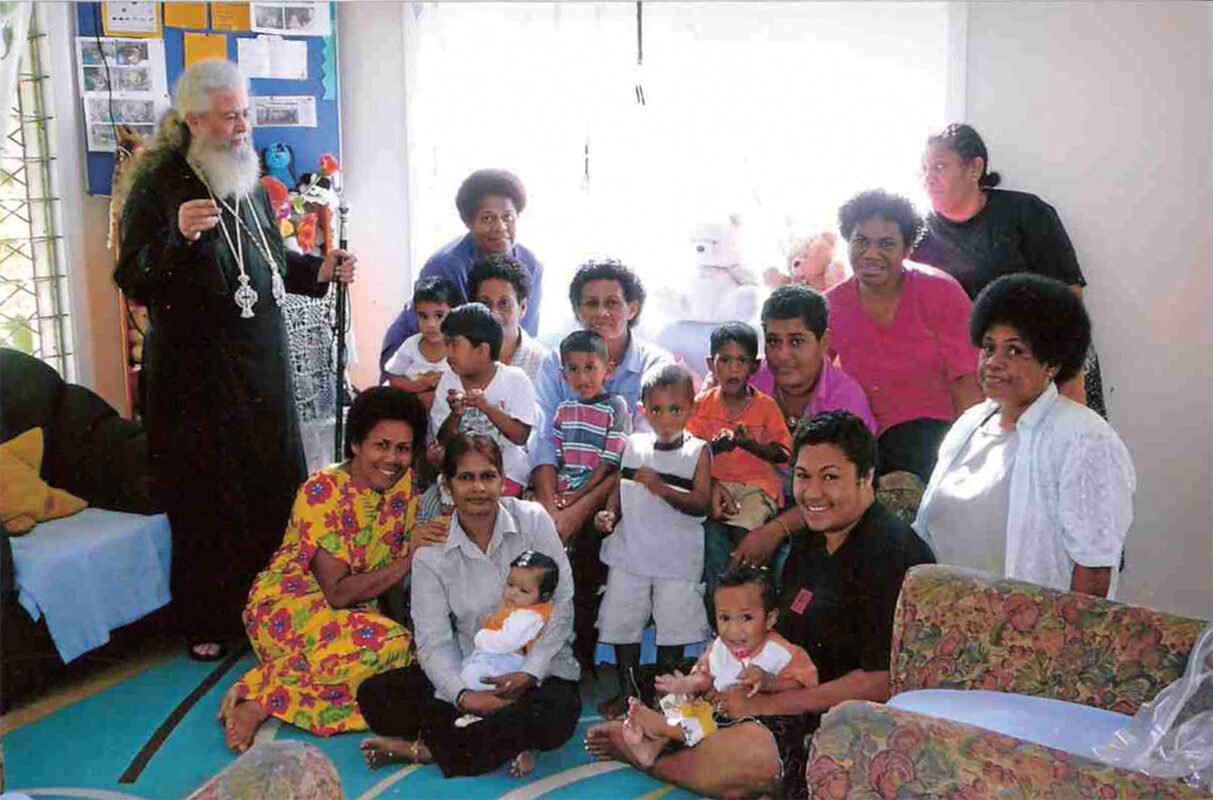
His desire to build churches sprang from the same love with which he approached every person so tenderly. Wherever he encountered poverty or loneliness, he wanted to offer the comfort of Christ; wherever he found people who had lost their way, he wished to help them find a home in the Church. The old master builder in that charming tale acted in much the same way. Even in hell, he could not remain indifferent to the misery around him and, without asking whether its inhabitants were worthy of his efforts, he simply began to build a church.
The Elder, of course, saw himself in that poor master builder with his many faults, hoping that he would somehow find his way to Paradise. Such was his humility. But those of us who knew him saw something more: a man who had spent so many years loving Christ that the love of Christ had become his own way of being in the world.
This same love was evident even during the final weeks of his life.
He was on the island of Samos, only a few weeks before his repose. Following a severe stroke, he was in intensive care, unable to move the left side of his body or even to breathe without mechanical support. When I saw him that first morning, I approached his bed and asked him, “How are you, Elder?”
As soon as he saw me, his eyes opened wide with joy at seeing me after such a long time; and yet, as though he were not lying in a hospital bed and as though I had not traveled so far, from the other side of the world, to see him in what might be the last days of his life, he made no attempt whatsoever to draw my attention to his own suffering. Instead, with the hand he could still move, he pointed out two other patients in the same ward, while his eyes expressed deep sorrow and concern for their condition.
Since then, I have reflected on that moment many times. Before me was a man who had spent his life crossing oceans, building churches and monasteries, serving as a spiritual father and guide, caring for the poor, and comforting those in sorrow. Now his strength had almost entirely left him, and he himself needed even the most basic human care. Yet when I asked him about his own condition, his mind and heart turned immediately to the suffering of the two people beside him.
The Apostle Paul writes that love “does not seek its own” (1 Cor. 13:5).
I had read those words many times, but that morning I saw something of their meaning in our Elder’s eyes. His body was failing, his voice could scarcely be heard, and the hands that had labored and blessed so many people could hardly move. Yet his heart remained turned toward others. The love that had guided him through so many years of missionary service remained undiminished, even when almost everything else had been taken from him.
There are moments in life when a person’s holiness is revealed with extraordinary simplicity. We may spend years admiring their work, listening to their teaching, and witnessing their sacrifices and the countless miracles that accompanied their deep prayer and faith, and then suddenly a small gesture reveals something of the inner life from which all these things sprang. For me, that movement of his hand in the hospital remains just such a moment. He had nothing left to offer those two people but his concern and his prayers; yet even then, his heart was with them.
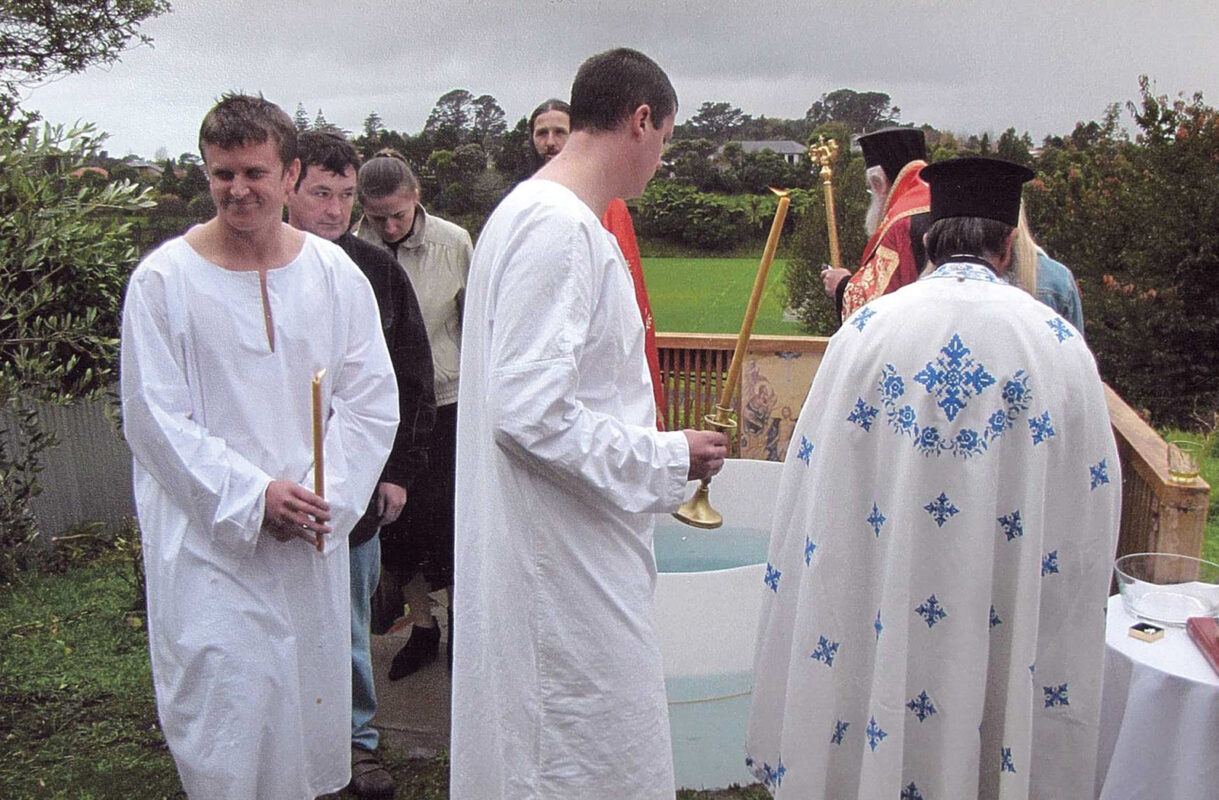
Now, after his blessed repose, our hearts bear witness to something greater than the memory of a beloved father. The love with which he gave himself to us did not die with him, for those who have truly lived in Christ continue to live in Him, and the communion founded through His love cannot be broken by the grave.
How often, when I face difficulties in the Mission or when we encounter someone whom we struggle to understand or forgive, do I bring the Elder to mind, wondering how he would receive that person, what he would say, and how readily he would find a reason to show them mercy?
His presence among us, however, goes beyond the memory of his example.
We feel that he continues to accompany us through his prayers, sharing in the very work to which he devoted his earthly life. And in the blessings and miracles that the Lord continues to work throughout our Mission, we recognize with gratitude and joy the loving intercession of our spiritual father, whose care for us has not ceased.
Perhaps this is one of the most beautiful mysteries of the communion of Saints: that those whose hearts were filled with the love of Christ remain close to us, and that their love, now free from the limitations and frailties of earthly life, continues to bear fruit in the lives of those for whom they pray. The Elder who once crossed oceans to be near his spiritual children, who carried their sorrows and struggles in his heart, continues now to embrace us through his prayers before the throne of God.
Thus, as the first anniversary of his repose approaches, our hearts are filled with gratitude and deep joy. We thank God for giving us such a father, for granting us the privilege of witnessing the holiness that His grace can bring forth in human life, and for the living communion that continues to unite us with him. We pray for his eternal rest and, with the confidence of children who know their father’s love, we ask for his intercessions, that we too may learn to love with the patience, humility, and generosity with which he loved us.
May his memory be eternal.
Archimandrite Meletios Pantic
Abbot of the Holy Monastery of the Archangels, Levin
Αυτή η σελίδα είναι διαθέσιμη και στα