Eulogy for Elder Amphilochios
Today we speak with pain but also with gratitude for our Elder, Metropolitan Amphilochios of New Zealand, formerly of Ganos and Chora, the father known by the peoples of the Black Continent and the Pacific, the enlightener who lit the lamp of Orthodoxy at the ends of the earth.
He was born poor on the island of Rhodes in 1938, into a simple family that learned early on to rely on God’s Providence and the blessing of the Theotokos. From his student years at the Patmiada Ecclesiastical School and the Theological School of Halki, he received the inoculation of missionary work, alongside sanctified figures like Saint Amphilochios Makris, who shaped his path and inspired in him a sacrificial love for all people without discrimination.
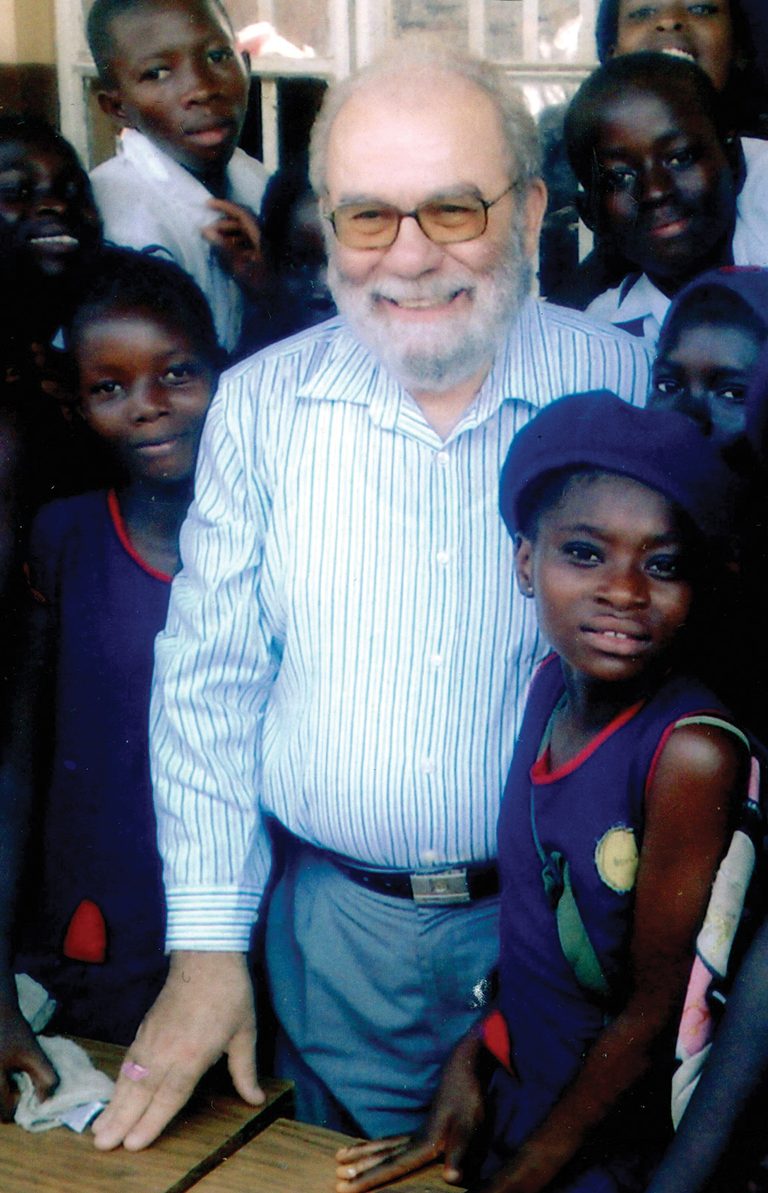
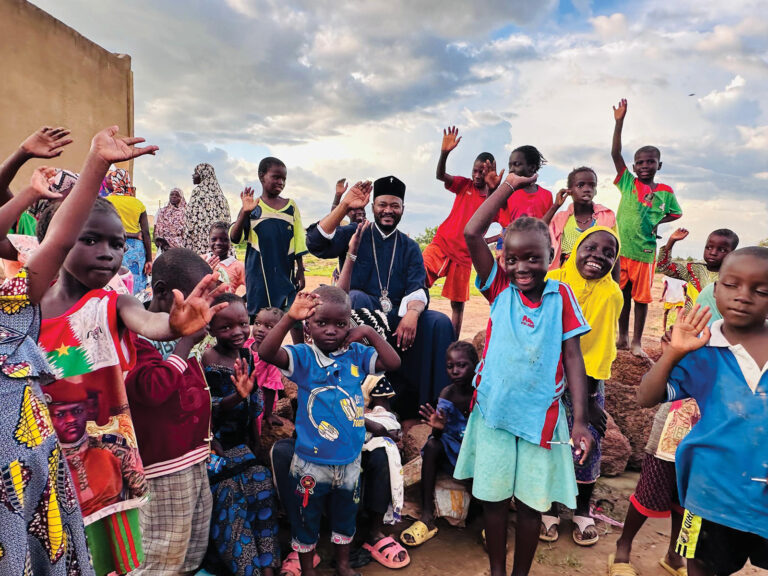
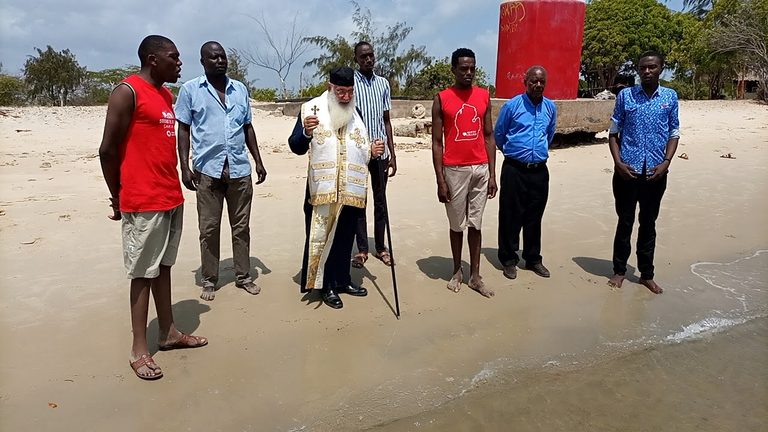
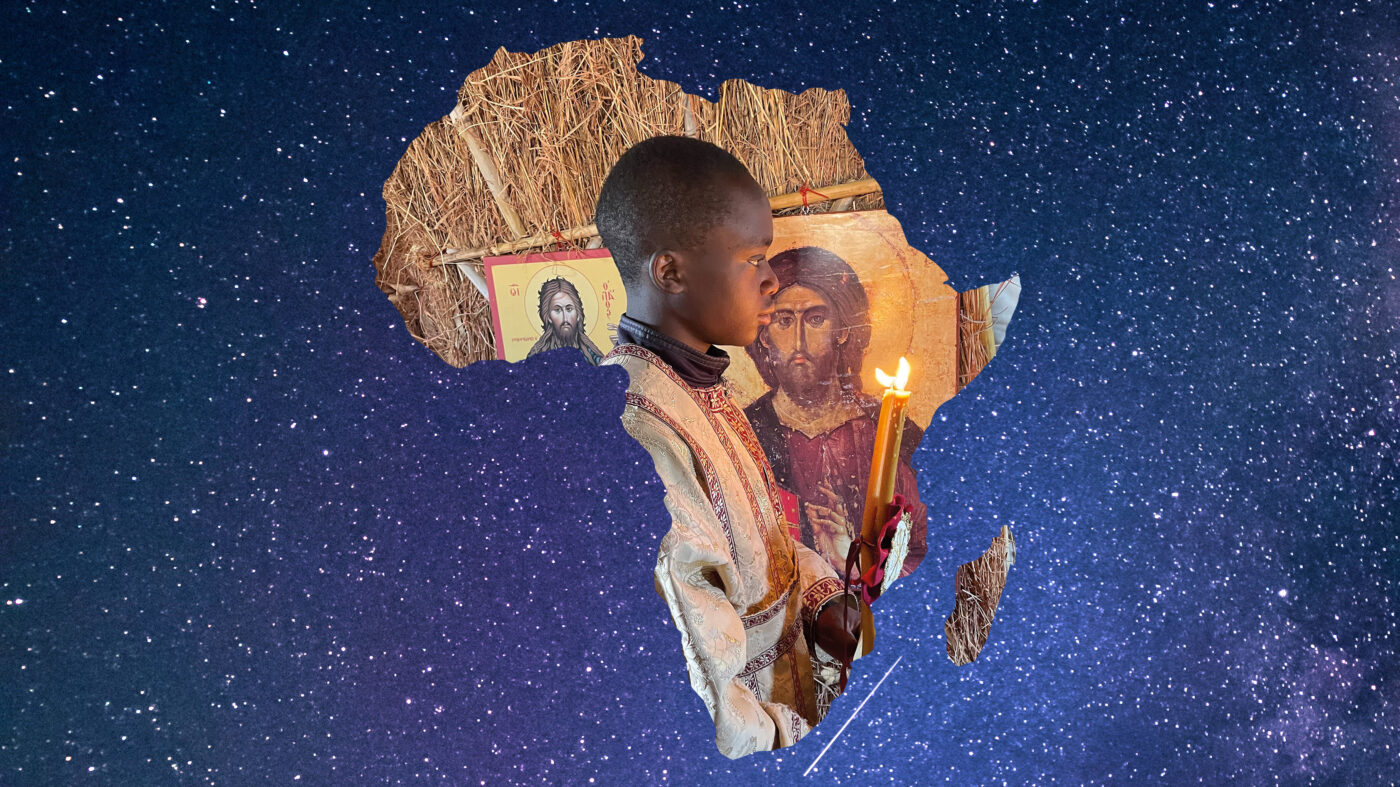
As a young clergyman, he left his homeland and set off for Africa, to Kenya, Tanzania, and especially to Congo, where he worked as a tireless laborer of the Gospel, establishing parishes, catechizing, baptizing, supporting widows, orphans, and suffering people, making the Church a refuge for those who had no one. There, in the jungle and the cities of poverty, he learned to see Christ Himself in the face of every hungry, thirsty, sick, and imprisoned person, and to consider all of them his children and siblings, for whom he prayed daily with tears.
In 2005, the Church called him to a new, humanly impossible mission: he was elected Metropolitan of New Zealand, and with a youthful heart, despite his age, he accepted without hesitation. He came to Oceania as an experienced spiritual farmer, to sow the first seed of Orthodoxy in countries that had never known Christ in an Orthodox way, in Fiji, Tonga, and Samoa, where he planted the first communities of faith, prayer, and eucharistic life.
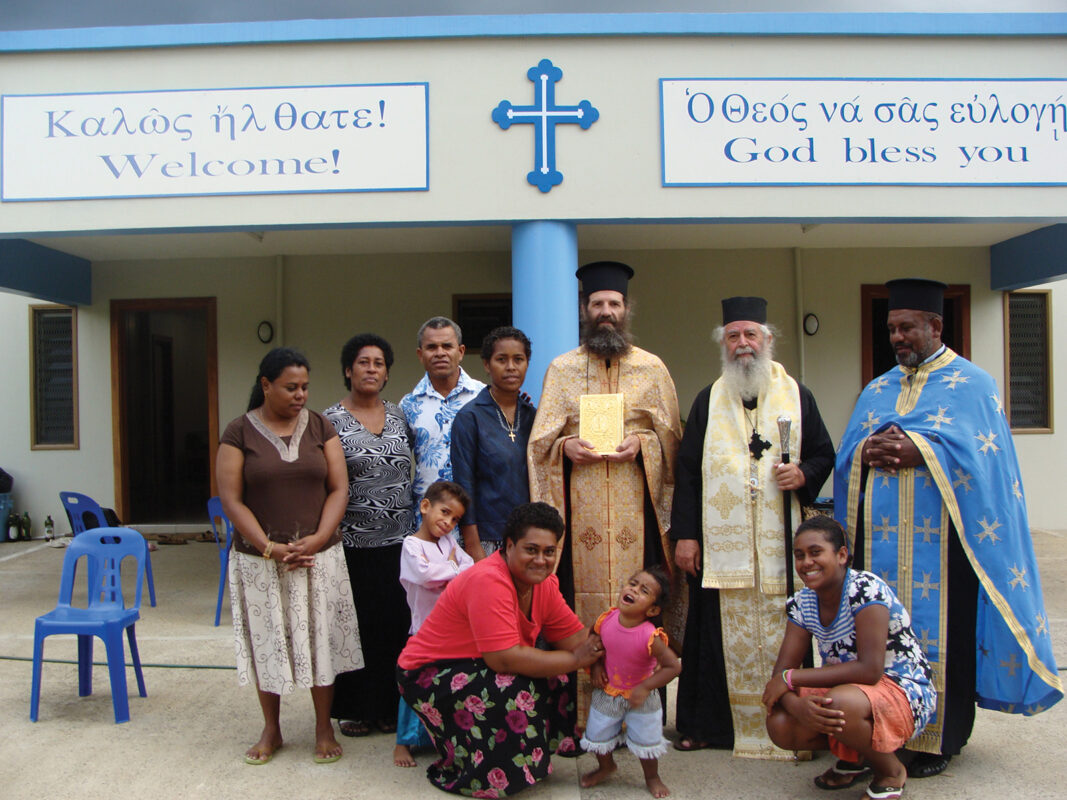
In the Pacific Islands and New Zealand, he opened new paths for Orthodoxy, not with noise and imposition, but with humility, meekness, and genuine paternal affection. He built sacred churches and monastic centers, which he himself described as “a lit lamp in the middle of the Ocean,” an eternal symbol of divine worship and prayer in the islands that began to learn the Life of Orthodoxy. His concern was not only the stones of the churches, but the “living temples”: the people, the families, the children who needed support, comfort, and hope.
With particular sensitivity, he stood by children, orphans, and the marginalized, creating works of love, orphanages, and care structures, so that no child would feel abandoned. In every wounded, ragged, and suffering person, he saw an opportunity to offer Christ, not only with words, but with bread, with a bed, with a smile, with an embrace, with his personal presence.
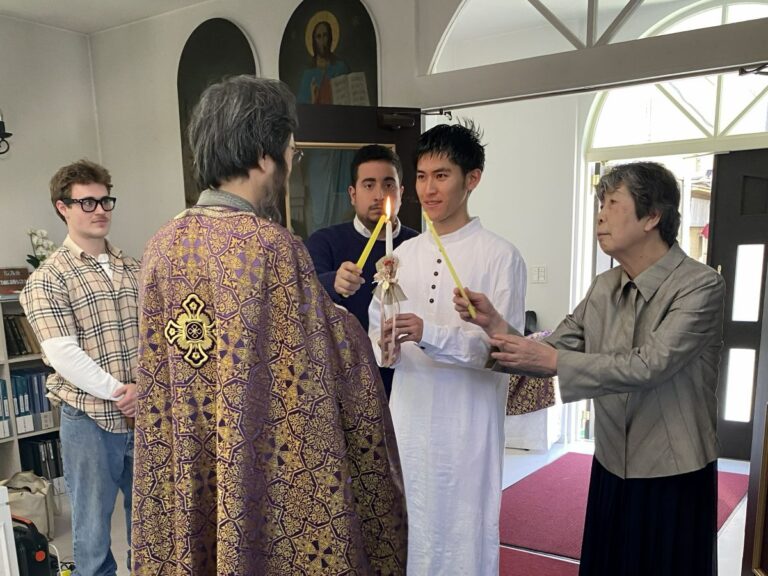
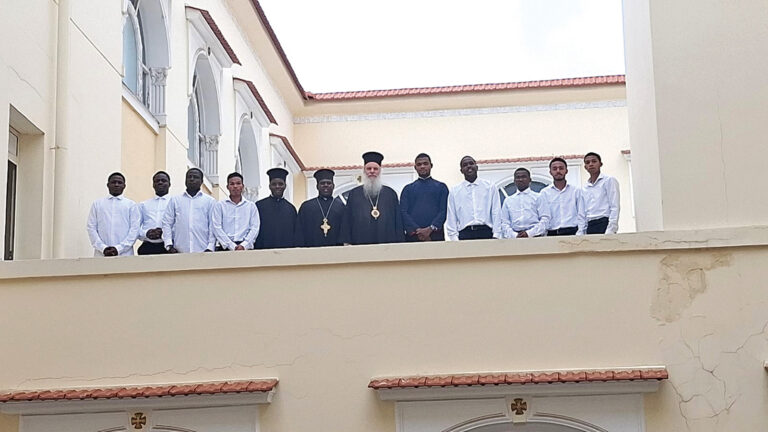
He knew that the Church takes root only when it acquires a local character, and for this reason, he strived for the emergence of indigenous clergy, catechists, and laborers of the Gospel, so that the new plants of faith would not remain orphaned. He ordained priests from the peoples of Oceania themselves, blessed monks and readers, and entrusted them with the mission of continuing God’s grace, making them co-workers and not mere assistants.
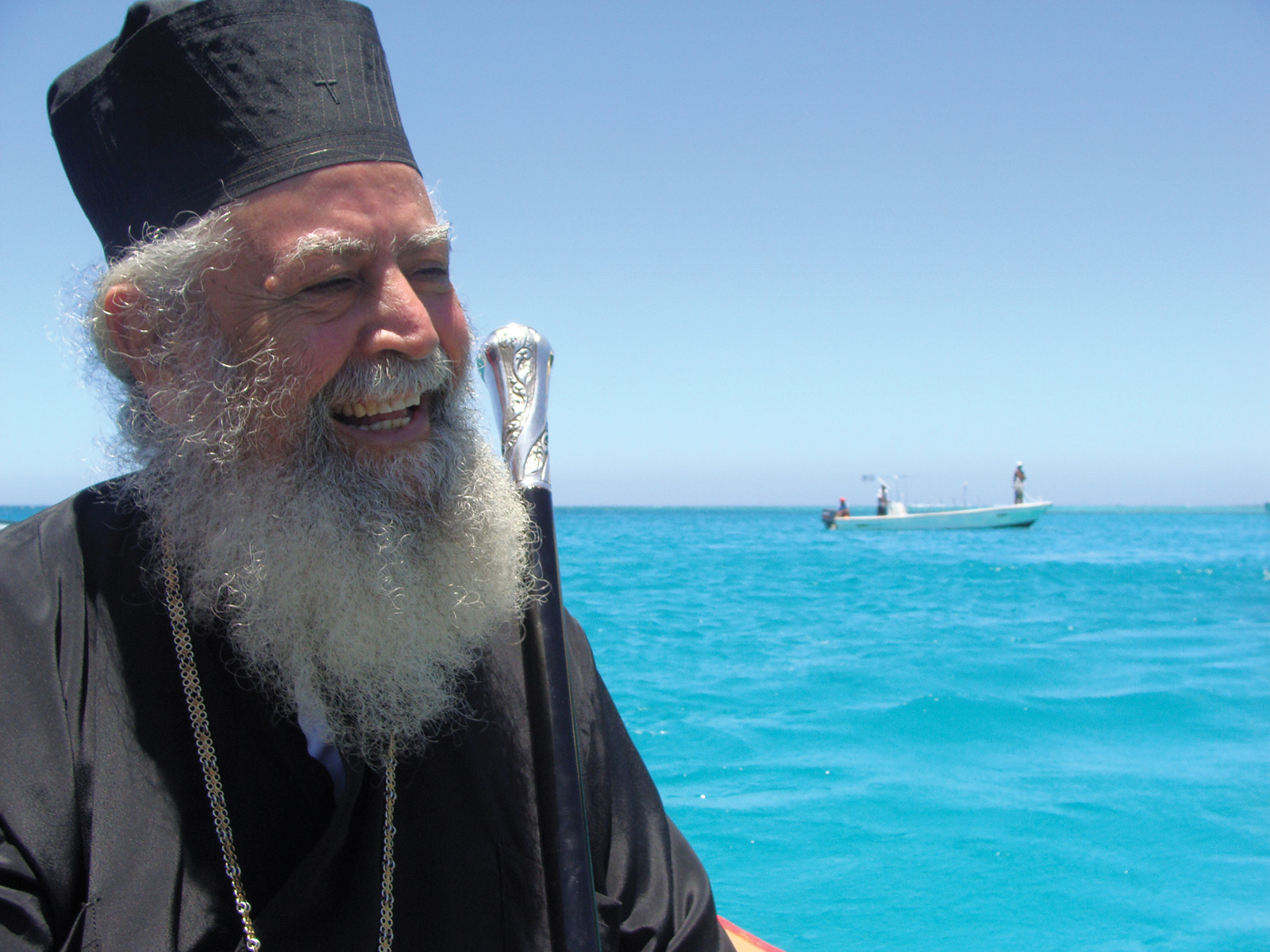
Those who knew him in Oceania, Greeks and locals alike, felt a certainty from the very first moment that they could trust him and follow him “in the name of Christ.” The serenity of his face, the simplicity of his words, his prayerful silence, made his interlocutor open their heart, lay bare their wounds, find direction and meaning, and revive hope. No person sent to him by God was ever forgotten in his memory and prayer. He inquired about everyone, rejoiced in their good fortune, and intensified his prayer in their difficulties.
That is why today we can say without hesitation that Elder Amphilochios was the natural spiritual father of the children of Oceania, the father who united in the same chalice of the Eucharist people from Rhodes, Africa, New Zealand, Fiji, Tonga, and Samoa. He became a bridge between peoples, languages, and cultures, proving that Orthodoxy is not a foreign garment, but a heart that embraces everyone, when it beats “through love working.”
The manner of his repose was for all of us a lesson in spiritual sobriety and preparation. God allowed us time to realize that his hour was approaching, so that human pain might be transformed into joy in God, into gratitude for the gift the Church bestowed upon us through his presence. At the news of his falling asleep, sorrow was covered by the certainty that our Elder was not lost, but was delivered as a precious gift from the earthly Church to the heavenly Throne, offering multiplied the talents entrusted to him by the Lord.
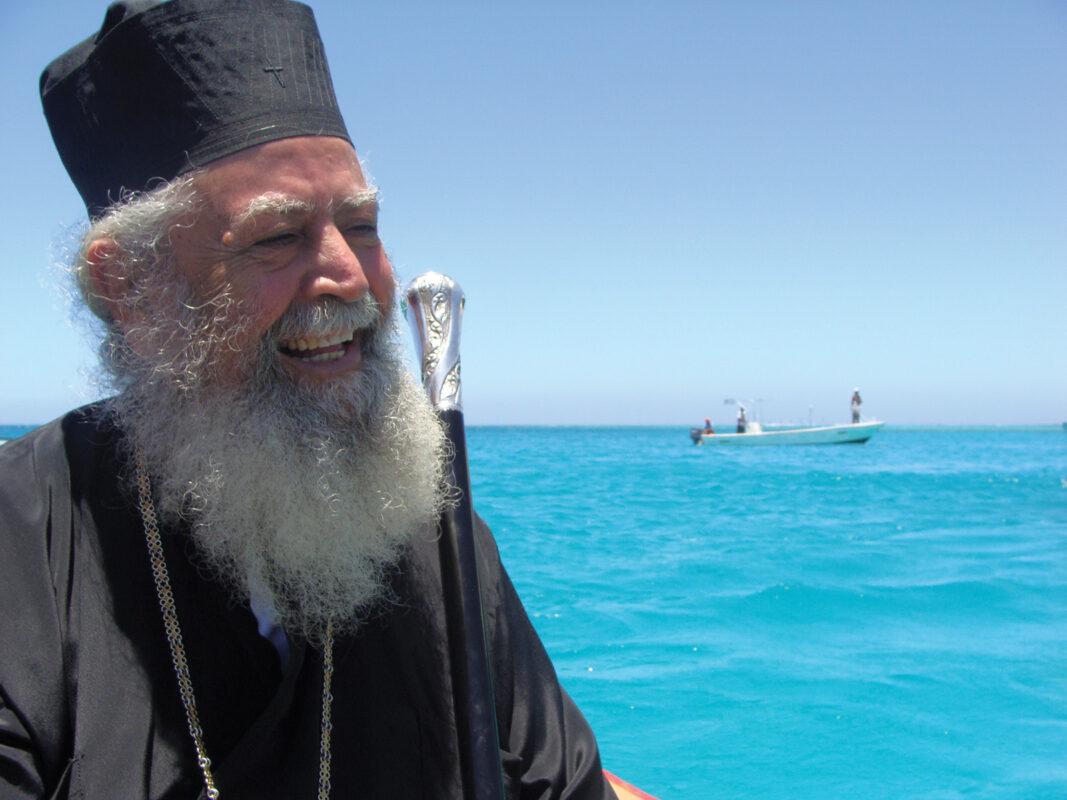
Today, as we stand around his venerable remains, both physically and spiritually, we are not bidding farewell to an “administrative” Metropolitan, but to a father who lived and died for his spiritual children. A man who was a luminous, gentle, and humble presence, a shepherd with an open heart, who stood by people without discrimination, leaving behind an irreplaceable void, but also a legacy of faith, love, and selfless offering.
His photograph remains in every church in Oceania, not as a mere relic, but as a living reminder of his paternal presence, calling us to continue the path he opened. He lives in our hearts, inspires our thoughts and deeds, stands at the forefront of our journey, and teaches us that true missionary work is not a plan of human wisdom, but faith working through love.
As the current Metropolitan of New Zealand, I stand spiritually before him with deep emotion and gratitude, feeling that I have received not merely a Metropolis, but a legacy of holiness, toil, tears, and sacrifice. I pray to God to deem me worthy to serve with the same spirit, to keep burning the lamp he lit in the Pacific, to support our brethren in Oceania with the same paternal affection, to continue – as much as I can – in his footsteps.
And you, venerable Elder Amphilochios, we ask you, now from your new place in Heaven, to be an intercessor for all of us, for the children of Rhodes, Africa, New Zealand, Fiji, Tonga, Samoa, and all of Oceania, who knew you, loved you, and call you “father.” Do not forget us, as you never forgot anyone on earth, but strengthen us in faith, comfort us in sorrows, guide us on the path of salvation, so that, when the Lord wills, we too may be deemed worthy to celebrate with you the eternal Pascha in His Kingdom. Eternal be your memory, venerable Elder and father, Amphilochios, enlightener of Oceania. Eternal be the memory.
Myron of New Zealand
Αυτή η σελίδα είναι διαθέσιμη και στα